'%20fill='%23FFFFFF'%20fill-rule='nonzero'%3e%3cg%20id='User'%20transform='translate(305.750000,%2028.500000)'%3e%3cpath%20id='Shape'%20d='M10,0%20C4.4797258,0.00620755447%200.00620755447,4.4797258%201.77635684e-16,10%20C0.00938473715,15.5189555%204.48104446,19.9906153%2010,20%20C15.5228475,20%2020,15.5228475%2020,10%20C20,4.4771525%2015.5228475,0%2010,0%20Z%20M16.082472,15.770264%20C14.9367487,13.4596888%2012.5799723,11.9985982%2010.0009342,11.9999964%20C7.42189607,12.0013946%205.06670523,13.4650399%203.923488,15.776856%20C2.42807156,14.2261103%201.59478073,12.1543109%201.59997563,10%20C1.59997563,5.3608081%205.3608081,1.6%2010,1.6%20C14.6391919,1.6%2018.4000223,5.3608081%2018.4000223,10%20C18.4049827,12.1511749%2017.5740167,14.2201438%2016.082472,15.770264%20Z%20M10,4%20C8.0117749,4%206.4,5.6117749%206.4,7.6%20C6.4,9.5882251%208.0117749,11.2%2010,11.2%20C11.9882251,11.2%2013.6,9.5882251%2013.6,7.6%20C13.6,6.64522064%2013.2207154,5.72954655%2012.5455844,5.05441559%20C11.8704534,4.37928463%2010.9547794,4%2010,4%20L10,4%20Z'%20/%3e%3c/g%3e%3c/g%3e%3c/g%3e%3c/svg%3e)
Directions to the Orly Airport
Address of Orly Airport
Traffic Information: Your Drive to Paris-Orly
Once your parking space is reserved with Parkos, your journey departing from Orly can begin! It is crucial to arrive on time to avoid stress. Below you will find practical information about heavily congested areas, along with estimated travel times and advice regarding the routes leading to Orly.
Airport Access and Traffic Flow
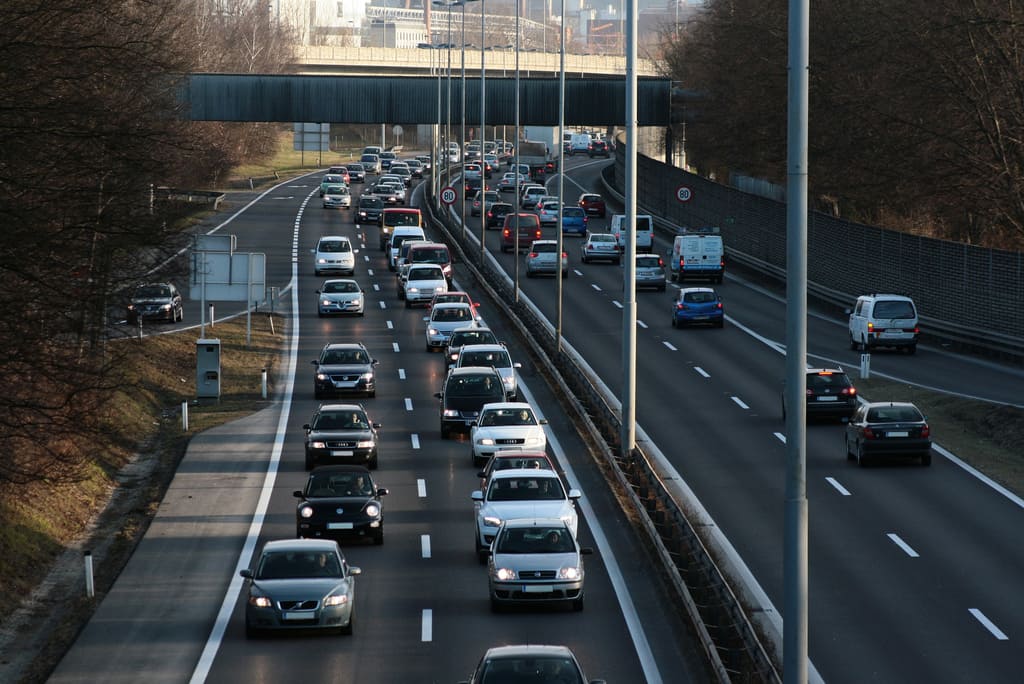
Paris Orly Airport is highly accessible, both by car and by public transport. Many travellers use public transport, which helps smooth traffic flow around the airport, although congestion on the Paris peripherique and ring roads is always a risk. From central Paris, it will take you between 30 and 40 minutes to reach the airport via the **A6B, A86, or E5** motorways.
Estimated Travel Times
Under normal weather and traffic conditions, here are the estimated times required for the following journeys:
- Orléans to Orly: 122 kilometres, 1 hour 25 minutes
- Versailles to Orly: 23 kilometres, 30 minutes
- Chartres to Orly: 81 kilometres, 1 hour 07 minutes
- Paris (Porte d'Italie) to Orly: 15 kilometres, 25 minutes (excluding high traffic)
Practical Information for Your Journey
Several days before your departure, check your vehicle for any technical defects. This will allow you to avoid a possible delay on departure day and ensure you arrive on time to catch your flight stress-free.
Mandatory Vehicle Checks
This includes checking the engine oil and coolant levels, as well as the pressure of your tires. Don't forget to check the pressure of the spare tire to be ready for any eventuality on the road. When checking your vehicle, also remember to inspect the functionality of your lights.
Fuel
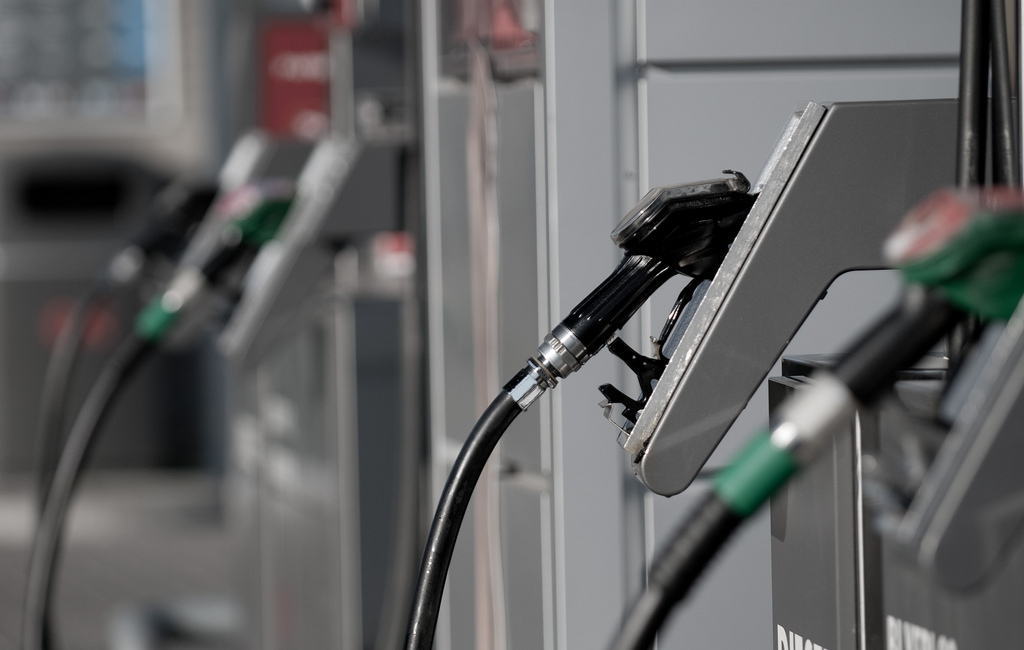
Whether you drive diesel, petrol, or LPG, you will find service stations everywhere in France to fill up. However, we recommend filling up in the city, where fuel is generally cheaper than on the motorway. Note that LPG is not available in all urban areas due to safety concerns.