'%20fill='%23FFFFFF'%20fill-rule='nonzero'%3e%3cg%20id='User'%20transform='translate(305.750000,%2028.500000)'%3e%3cpath%20id='Shape'%20d='M10,0%20C4.4797258,0.00620755447%200.00620755447,4.4797258%201.77635684e-16,10%20C0.00938473715,15.5189555%204.48104446,19.9906153%2010,20%20C15.5228475,20%2020,15.5228475%2020,10%20C20,4.4771525%2015.5228475,0%2010,0%20Z%20M16.082472,15.770264%20C14.9367487,13.4596888%2012.5799723,11.9985982%2010.0009342,11.9999964%20C7.42189607,12.0013946%205.06670523,13.4650399%203.923488,15.776856%20C2.42807156,14.2261103%201.59478073,12.1543109%201.59997563,10%20C1.59997563,5.3608081%205.3608081,1.6%2010,1.6%20C14.6391919,1.6%2018.4000223,5.3608081%2018.4000223,10%20C18.4049827,12.1511749%2017.5740167,14.2201438%2016.082472,15.770264%20Z%20M10,4%20C8.0117749,4%206.4,5.6117749%206.4,7.6%20C6.4,9.5882251%208.0117749,11.2%2010,11.2%20C11.9882251,11.2%2013.6,9.5882251%2013.6,7.6%20C13.6,6.64522064%2013.2207154,5.72954655%2012.5455844,5.05441559%20C11.8704534,4.37928463%2010.9547794,4%2010,4%20L10,4%20Z'%20/%3e%3c/g%3e%3c/g%3e%3c/g%3e%3c/svg%3e)
Directions to the Alicante Airport
Address of Alicante Airport
Travel Information: Your Journey to Alicante-Elche Airport (ALC)
You are ready for your trip—flights and parking are booked, and all that remains is to plan your drive to the airport. Leaving with extra time is always a wise decision, as some delaying factors are hard to control. Therefore, in this space, we want to give you some recommendations and traffic information, as well as useful links, so you can be prepared for any eventuality on your route to Alicante Airport.
Key Routes to the Airport
The airport is directly accessed via the **N-338 road**.
- **If approaching from the South (Santa Pola, Torrevieja):** Follow the N-332 road and take the exit towards Aeropuerto from the N-338.
- **If approaching from the North (Alcoy):** Take the A-7 from the N-340 and continue until the N-338, where you should take the exit signposted "Aeropuerto."
- **If approaching from the Northeast (Benidorm, Villajoyosa):** Use the AP-7 (may involve tolls) and the A-70 towards the N-338. Take Exit 22 from the A-70 and proceed via the N-338 to your destination.
- **If approaching from the Northwest (Elda, Villena):** Drive along the A-31 towards the N-338. Take Exit 22 from the E-15/A-70 and continue on the N-338 to your destination.
Approximate Driving Times
With optimal weather conditions, the approximate driving times from major nearby cities would be:
- Alicante to Alicante-Elche Airport: 11 km / 15 minutes
- Torrevieja to Alicante-Elche Airport: 44 km / 40 minutes
- Alcoy to Alicante-Elche Airport: 70 km / 50 minutes
- Benidorm to Alicante-Elche Airport: 58 km / 40 minutes
- Villena to Alicante-Elche Airport: 60 km / 40 minutes
Check Real-Time Traffic Conditions:
You can check the real-time traffic status in Spain using the following map. You can use the filters to select the province you are interested in:
Continuous Traffic Map (DGT)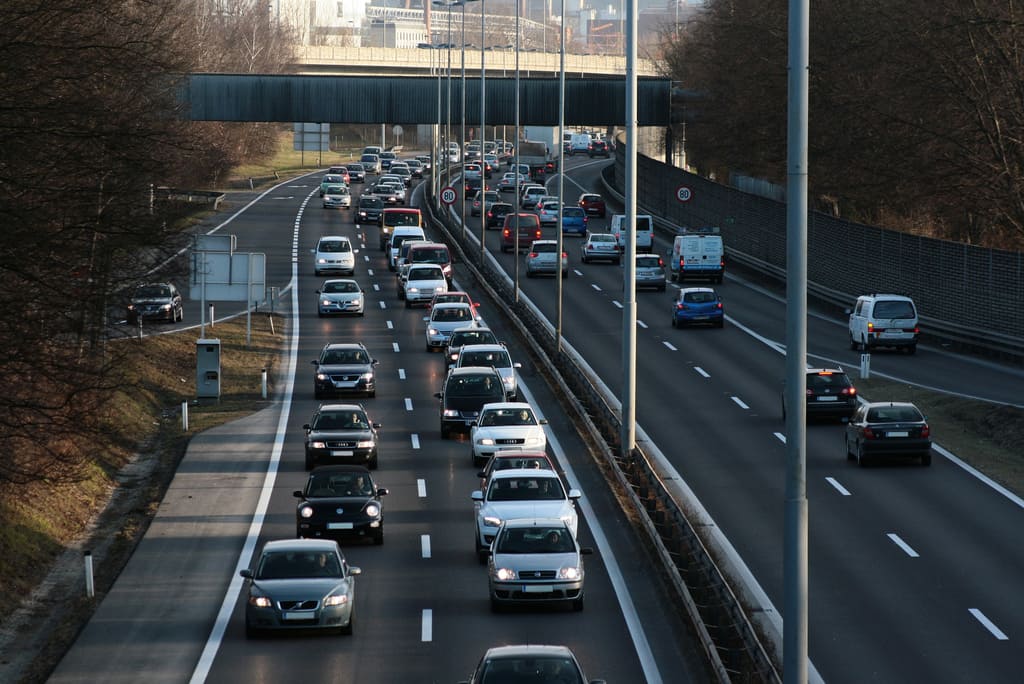
Useful Information: Vehicle Preparation and Spanish Rules
Remember that before any trip, it is advisable to inspect your car to be certain and see if any small adjustments are necessary. Some basic aspects that should be checked include the oil level, coolant, and the pressure and general condition of the tires (including the spare wheel). Finally, a check of the lights is always worthwhile, as they are essential for any driver's safety. These quick checks can save you from breakdowns on the way to the airport.
You may encounter some tolls during your journey, especially if using the AP-7.
Fuel
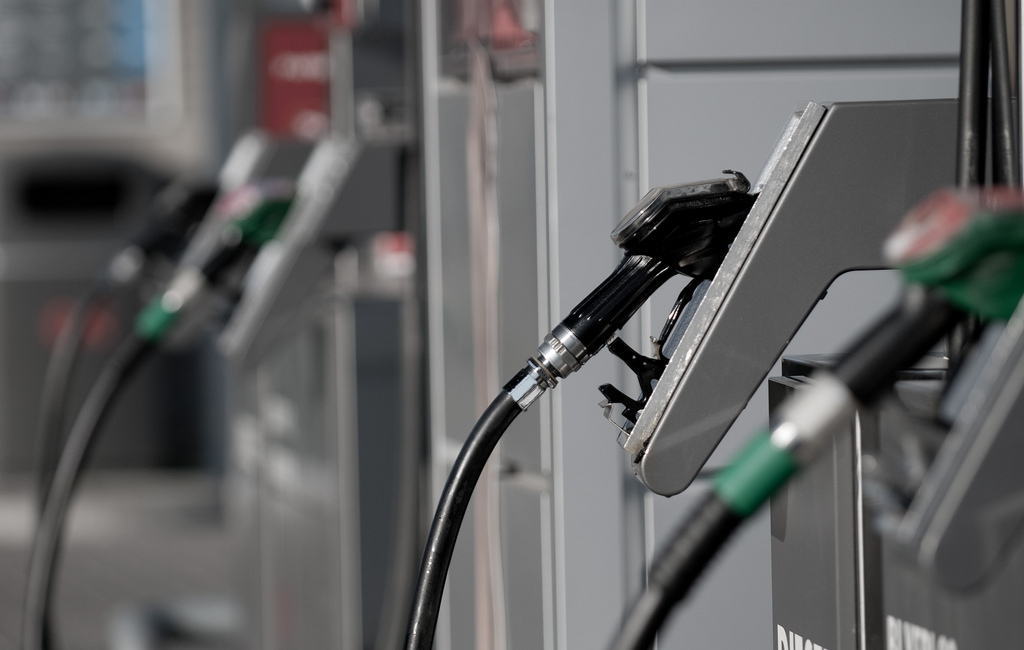
Except for LPG (which is not available everywhere, especially in the city for safety reasons), you should have no problem refuelling if your car uses petrol or diesel. Just remember that refuelling on the motorway might be more expensive than at your usual gas station. Therefore, to save money and avoid wasting time on the way to the airport, it is best to leave home with a full tank.